School playgrounds are used every day for breaktimes, PE lessons, and outdoor learning. Over time, heavy use and weather conditions cause surfaces to wear, crack, or fade. When this happens, safety risks increase and the playground can start to look tired and uninviting. Playground resurfacing restores safety, appearance, and performance when existing surfaces reach the end of their usable life.
Contact STM to arrange a professional assessment of your school playground surface.
Playground surface absorbs impact from slips and falls. As surfaces age, they can become uneven, hard, or damaged. Cracks and lifting edges create trip hazards, while worn areas reduce impact protection. Resurfacing reinstates a smooth, even surface that supports safer play and reduces the risk of injuries during daily use.
School playgrounds must meet safety and duty of care requirements. Worn or damaged surfacing may no longer comply with standards such as BS EN 1176 and BS EN 1177. Playground resurfacing helps bring surfaces back into line with current guidance and supports positive outcomes during inspections and audits.
Surface wear leads to deeper structural damage if ignored. Small cracks allow water to enter surface layers, which can cause further deterioration. Resurfacing addresses these issues early and protects the base underneath. This extends the overall lifespan of the playground and reduces the need for full replacement.
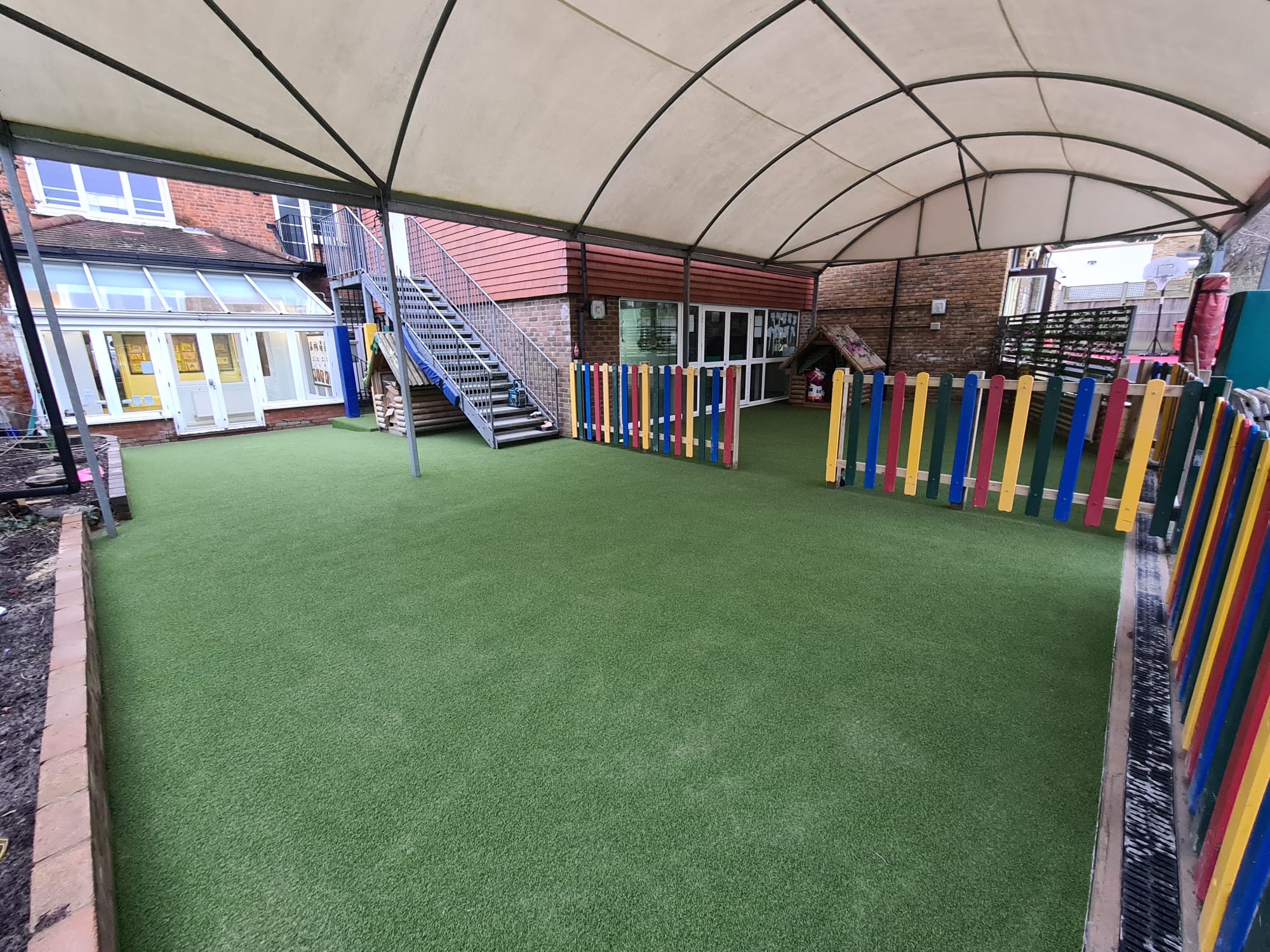
Surface condition affects accessibility for pupils and staff. Uneven or degraded playgrounds can be difficult to navigate for wheelchair users, pupils with mobility needs, and staff supervising play. Resurfacing creates a smooth, level surface that supports inclusive access and ensures all pupils can use the playground safely.
Playground appearance influences how spaces are perceived. Faded or damaged surfaces can make outdoor areas look neglected. Resurfacing refreshes colour, layout, and markings, creating a cleaner and more organised space. A well-presented playground reflects positively on the school and encourages regular use.
Playground design supports learning and activity. During resurfacing, schools can add line markings, colour zones, or activity areas to support PE lessons and outdoor learning. This helps schools make better use of their outdoor space and encourages active, structured play throughout the day.
Resurfaced playgrounds require less reactive maintenance. New surfaces are easier to clean and less prone to damage than older, worn materials. This reduces the need for frequent repairs and helps school site teams manage outdoor areas more efficiently.
Playground resurfacing offers clear benefits for schools, including improved safety, compliance, accessibility, and appearance. It protects existing surfaces, supports inclusive play, and creates outdoor spaces that are fit for daily use. Playground resurfacing adds long-term value when planned and carried out at the right time.
Speak to STM today to discuss playground resurfacing solutions tailored to your school’s needs.